
A career change often starts with a small thought: I could see myself doing that. Perhaps you love skincare, enjoy helping people feel comfortable, or want work that combines technical skill with personal connection. Aesthetics can offer those possibilities, including routes for people from a non-medical background.
The next step is turning that interest into a realistic plan. Continue reading for an honest look at the opportunities, the limits, and the training decisions that matter before you enrol.
Your Route Into Aesthetics
Yes, non-medics can build a career in aesthetics. The route depends on the treatments you want to provide, your qualifications, and the requirements where you intend to work. These eight steps will help you choose your next move with confidence.
1. Choose Your Starting Point
Start by picturing the work you would enjoy doing each day. Skin consultations, facials, and helping patients understand a skincare routine can be satisfying areas to develop, with appropriate training.
A beauty therapist may already have experience in skin analysis, hygiene, and patient care. Someone moving from retail, hospitality, or another industry may bring communication and organisational skills. Both backgrounds can be useful, although they involve different learning needs.
If you’re researching how to become an aesthetician in UK clinics, begin with a specific role. The National Careers Service describes beauty therapy routes through college, apprenticeships, and private training. Employment, further specialisation, and eventual self-employment are possible directions.
Think about what attracts you beyond the treatment photographs. Do you enjoy explaining things, keeping detailed records, and working carefully with your hands? Would you be comfortable telling someone that a treatment isn’t suitable? Those everyday responsibilities deserve a place in your career plan, too. Choosing work that suits your strengths gives your learning a useful focus.

2. Follow a Training Path
Your starting qualification should reflect what you already know. Studying aesthetics becomes more manageable when each stage builds on knowledge you’ve had time to understand and practise.
For beginners without a formal beauty background, VTCT Skills offers a Level 3 Certificate in Access to Aesthetic Therapies. It prepares learners for further study and covers foundations such as skin analysis, consultation, anatomy, and health and safety.
VTCT Skills also has a Level 4 to Level 7 progression route designed for beauty professionals and non-medics. This includes skin rejuvenation qualifications and later injectable qualifications, with entry and assessment requirements at each stage.
That pathway is encouraging, but admission to a course doesn’t automatically authorise every treatment afterwards. You’ll still need to check legal requirements, competence, prescribing arrangements where relevant, and insurance for the work you intend to provide.
Ask the academy to review your existing certificates before you book. An experienced therapist and a complete beginner may need different starting points. It’s perfectly reasonable to take the foundation route and progress as your knowledge develops. You can also build a career around skin treatments without making injectables your eventual destination.
3. Check What You’re Buying
A course description should make the learning outcome clear. Before paying a deposit, find out exactly what qualification or certificate you will receive and how your skills will be assessed.
CPD courses can support ongoing professional development, but accreditation alone doesn’t mean a course awards a regulated qualification. In England and Northern Ireland, you can check regulated qualifications through the official register. Wales and Scotland have separate qualification resources.
Ask the provider for practical details, too. Keep these questions beside you when comparing options:
- What is the exact qualification title, awarding organisation, and qualification number?
- What previous study do I need, and how is equivalence assessed?
- How much supervised practice will I complete personally?
- How are practical competence and theoretical knowledge assessed?
- What happens if I need more practice or another assessment?
Then check your intended qualification and treatment with prospective employers or insurers. Get the answer in writing where possible. A clear course outline helps you compare value, including assessment fees, materials, and support, without relying on a dramatic career promise. Your budget deserves that level of detail.
4. Know the Current Rules
Regulation deserves a regular place in your career planning. Requirements vary by treatment and location, so a broad statement about working anywhere in the UK can leave out important details.
As of November 2026, England’s October proposals to restrict higher-risk cosmetic procedures are still under consultation. A separate licensing scheme for lower-risk treatments remains planned. These developments don’t amount to an existing blanket ban on non-medics working across aesthetics.
Existing rules still apply. In England, cosmetic botulinum toxin and filler treatments for under-18s are prohibited, apart from defined medical exceptions. Scotland has its own legislation and implementation timetable, while Wales and Northern Ireland have separate requirements.
Before committing to training or premises, check the current position with the relevant local authority and, where applicable, healthcare regulator. Ask about the exact treatment and setting you have in mind. A facial, a particular laser procedure, and an injectable treatment can raise different requirements.
Keep dated notes of what you check and revisit them before adding services. Be cautious about promises that any course guarantees eligibility under future rules. Proposed standards can change before they take effect.
5. Understand Medical Boundaries
Some career decisions involve medicines and responsibilities that a general training certificate cannot confer. Understanding those boundaries early helps you plan a workable route into more advanced practice.
Botulinum toxin is a prescription-only medicine. An aesthetics qualification doesn’t make you a prescriber, and completing Level 7 doesn’t turn someone into a doctor or nurse.
The person administering a prescribed treatment may differ from the prescriber. However, the prescriber must be satisfied that the injector has appropriate training and can administer it safely. A prescribing arrangement also needs proper assessment, clear responsibilities, and a plan for follow-up and complications.
For example, the Nursing and Midwifery Council requires independent nurse and midwife prescribers to assess patients face to face before prescribing for elective cosmetic procedures. A remote approval alone doesn’t meet that requirement.
If you’re considering an injectable pathway, ask how these responsibilities would work in your intended setting. Check your own eligibility and limits separately. Having access to a prescriber doesn’t replace practical competence, suitable premises, or insurance. It’s a conversation worth having before investing in training, rather than after you’ve advertised appointments.
6. Learn With Support
Practical learning should give you opportunities to ask questions and receive useful feedback. Watching a demonstration is helpful, but you also need assessment of your own work before practising independently.
Look for teaching that covers the whole appointment. That includes reviewing relevant medical history, recognising reasons to postpone treatment, explaining options, obtaining informed consent, and giving aftercare instructions. Ask how complication recognition and escalation are taught for the procedures you’re studying.
Once qualified, consider an employed role or an appropriate supervised setting while you build experience. Seeing how an established team manages consultations, documentation, and follow-up can help you develop reliable habits. Make sure any supervision arrangement has clear responsibilities and fits the work you’re permitted to do.
Ongoing support should be specific enough to understand. Ask who you can contact, what help is included, and whether additional mentoring costs extra. Educational support and urgent clinical assistance serve different purposes, so clarify both. You deserve room to keep learning, and patients deserve care from someone who knows when to seek help.
7. Define Your Scope
Your scope of practice describes the work you’re trained, competent, permitted, and insured to perform. Writing those boundaries down can make decisions clearer when someone requests a treatment you don’t currently offer.
Start with a focused menu you can deliver responsibly. For every service, identify suitable patients, reasons to decline, expected aftercare, and the referral arrangements you may need. Review the details whenever you change products, equipment, or techniques.
For example, experience providing facials doesn’t automatically establish competence in a deeper chemical peel. Each procedure needs its own assessment of training, risks, and requirements. The same applies when moving into a new treatment area.
Be clear about your qualifications on your website and during consultations. Patients should understand your professional background and who is responsible for their care. Explain realistic outcomes and give them space to decide without pressure.
Declining unsuitable work can feel awkward at first. A calm explanation and an appropriate referral show sound judgement. Being able to recognise your limits is a skill worth developing alongside your practical technique.
8. Plan a Sustainable Career
A realistic plan gives you room to learn without rushing to recover every training expense. Include the cost of insurance, equipment, consumables, premises, continuing education, and time spent on consultations and aftercare.
Treat your first year as a period of learning about the business as well as the treatments. Track actual appointment costs, preparation time, and patient feedback. These details help you spot what needs attention and decide where further training would make the most useful difference.
Set achievable milestones for your first year. You might aim to complete a foundation qualification, gain relevant employment, and review your readiness for specialist study. Progress can include becoming more consistent and confident within your existing services.
If you’re exploring how to become an aesthetic practitioner, consider the kind of working life you want. Employment may suit you, or independent practice may become a later goal. Review your options as your experience grows. Give yourself permission to build gradually and choose opportunities that fit your responsibilities and finances.
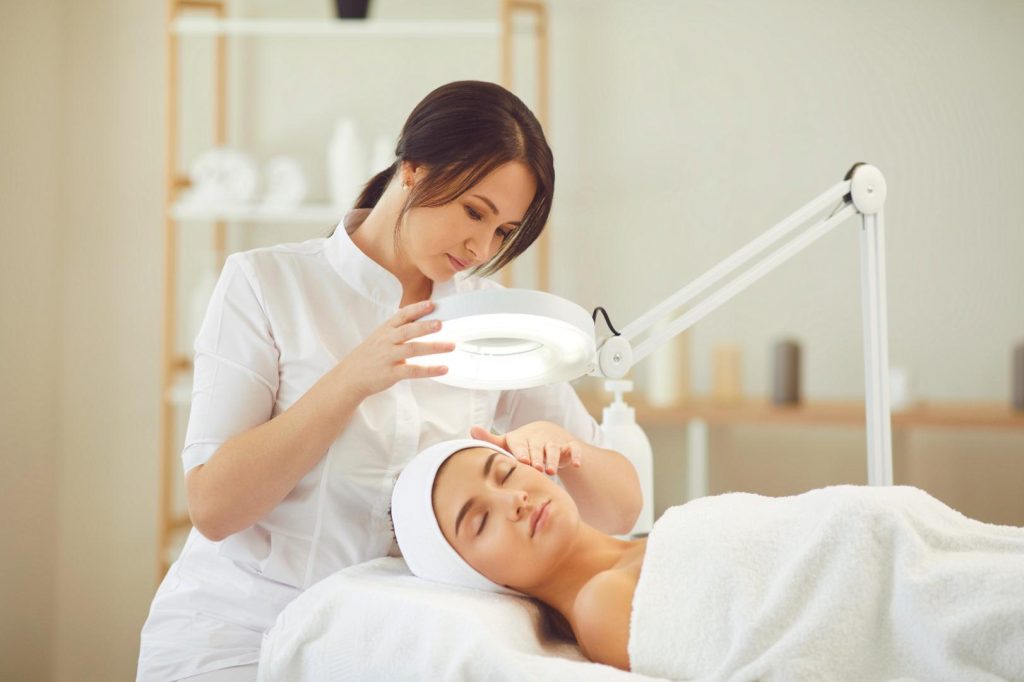
Make Your Next Move Count
Your interest in aesthetics deserves a clear starting point. At Skin Lab Medical Academy in Hornchurch, Essex, our courses include access and advanced pathways, with ongoing support after course completion.
Contact our team to discuss your previous qualifications, the treatments that interest you, and the entry requirements for suitable courses. We’ll help you explore where to begin and what further study may involve.