
Great injectable results are not created by product alone. They depend on anatomy, consultation, patient selection, complication awareness, treatment planning, and the judgment of the Botox injector performing the procedure. That is exactly why Level 7 training has become such an important part of the UK aesthetics conversation.
For practitioners, the question is no longer simply, “Can I learn how to inject?” It is also, “What level of training will support safe practice as UK regulation changes?” A Level 7 qualification can provide advanced education in botulinum toxin and dermal filler procedures, but the legal position is more nuanced than saying every practitioner currently must hold Level 7 to perform these treatments.
England is still developing its new non-surgical cosmetic licensing scheme, and the final education and training requirements have not yet been fully set in law.
If you are considering a botox training course or planning a long-term career in aesthetics, keep reading. Understanding what Level 7 means now, and where regulation appears to be heading, can help you build a stronger pathway for the future.
What Is a Level 7 Injector?
A Level 7 injector is generally a practitioner who has completed an advanced Level 7 qualification in clinical aesthetic injectable therapies. Level 7 sits at an advanced postgraduate-equivalent level within the UK qualifications framework.
In aesthetics, Level 7 programmes can focus on the knowledge and practical competence needed to administer treatments such as botulinum toxin and dermal fillers. The JCCP describes recognised Level 7 Diplomas in Clinical Aesthetic Injectable Therapies as advanced qualifications focused on the knowledge and skills required to deliver botulinum toxin and dermal filler treatments safely and effectively.
It specifically identifies VTCT (ITEC) and OTHM among awarding organisations offering qualifications mapped to its competency framework. A strong level 7 aesthetics course may cover areas such as:
- Advanced facial anatomy
- Consultation and patient assessment
- Botulinum toxin treatment planning
- Dermal filler procedures
- Contraindications
- Infection control
- Facial proportions
- Complication recognition
- Emergency protocols
- Clinical documentation
- Consent
- Professional accountability
- Reflective practice
The qualification is valuable because injectable treatment involves much more than learning injection points. A practitioner also needs to know when not to treat, how to assess risk, how to select appropriate patients, and how to respond when something goes wrong.
That broader clinical judgment is one reason level 7 injectables training is increasingly discussed alongside the future regulation of aesthetics.
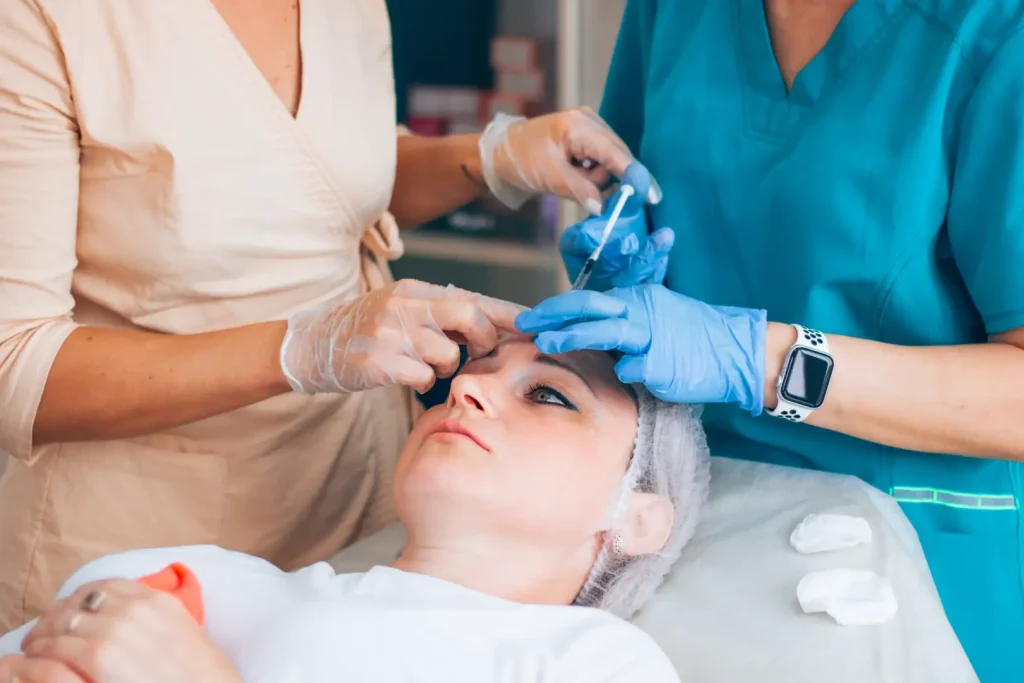
Do You Actually Need Level 7 for Botox and Fillers?
This is where practitioners need accurate information rather than social media shorthand. As of 2026, there is not a blanket UK-wide law stating that every person administering cosmetic botulinum toxin or facial dermal filler must hold a Level 7 qualification. However, that does not mean qualification standards are irrelevant.
England is developing a statutory licensing framework for non-surgical cosmetic procedures. Government proposals have included botulinum toxin injections and semi-permanent facial dermal fillers within an “amber” risk category. Under the consultation model, licensed aesthetic practitioners would require relevant clinical oversight, while qualified and regulated healthcare professionals could perform these procedures without oversight if they met agreed standards.
The government has also made clear that the exact practitioner criteria, including training and qualification requirements, will be determined as the framework develops. The 2025 consultation response confirmed that further work and consultation are still required before the final licensing regulations come into force.
So the practical answer is: Level 7 is highly relevant, but it should not currently be described as a universal legal requirement for every Botox or filler practitioner in the UK.
That distinction matters.
Why Level 7 Still Matters for Injectable Practice
The fact that Level 7 is not yet a universal legal requirement does not reduce its professional value.
For practitioners serious about long-term aesthetic practice, advanced training can strengthen both technical ability and clinical decision-making.
1. Regulation Is Moving Toward Higher Standards
The direction of travel is clear. The UK government has explicitly stated its intention to strengthen oversight of non-surgical cosmetic procedures in England. The proposed system would license both practitioners and premises performing specified treatments.
Botulinum toxin and dermal fillers have received particular attention because they involve risks that can require medical assessment and complication management. The government consultation proposed that procedures requiring prescription-only medicines should, at minimum, have oversight from an appropriately qualified and regulated healthcare professional. Botulinum toxin falls directly into that category because it is a prescription-only medicine.
For practitioners, completing advanced training before new rules are finalised may create a stronger professional foundation. It does not guarantee automatic compliance with future law. It does mean you are building toward a higher level of competency rather than waiting until regulation forces the conversation.
2. Botox Has an Additional Prescribing Requirement
Botulinum toxin is different from dermal filler in one particularly important way. Botulinum toxin is a prescription-only medicine. That means the person performing the injection may need involvement from an appropriately qualified prescriber even if they themselves are trained to inject.
The exact arrangements depend on the practitioner’s professional status and prescribing authority. A Level 7 qualification does not automatically give someone independent prescribing rights. This is a crucial point for non-prescribers entering aesthetics.
A botox training course can teach assessment and injection technique, but practitioners also need to understand the prescribing framework that applies to botulinum toxin. Training and legal authority are related, but they are not identical.
3. Dermal Fillers Carry Serious Risks Too
Dermal filler may not usually require a prescription in the same way botulinum toxin does, but that does not make it a casual treatment. Filler is injected into facial tissue containing blood vessels, nerves, muscles, ligaments, and other important structures.
Serious complications can occur when product compromises blood flow. Government consultation documents explicitly note physical risks associated with cosmetic fillers, including serious adverse outcomes.
A Level 7 practitioner should therefore be trained to understand:
- Vascular anatomy
- High-risk injection zones
- Product depth
- Signs of vascular compromise
- Complication escalation
- The role of hyaluronidase
- Emergency response pathways
The ability to recognise trouble matters just as much as the ability to create a good aesthetic result.
4. Level 7 Supports Better Patient Assessment
One of the biggest differences between basic injectable training and advanced clinical education is the emphasis on patient selection. A patient asking for filler does not automatically need filler. A patient asking for Botox may have expectations that treatment cannot reasonably meet.
The injector must evaluate:
- Medical history
- Medications
- Contraindications
- Previous treatments
- Facial anatomy
- Treatment goals
- Psychological expectations
- Alternative options
- Risk factors
This sits within the practitioner’s scope of practice. A strong practitioner knows not only what they can technically perform, but what they are competent and appropriately qualified to perform safely. That distinction becomes even more important as regulatory expectations rise.
5. The JCCP Sets a High Bar
The JCCP, or Joint Council for Cosmetic Practitioners, plays an influential role in promoting standards for non-surgical aesthetic practice. It supports Ofqual-regulated qualifications that align with its competency frameworks and identifies Level 7 clinical injectable qualifications as an important benchmark for advanced practice.
However, there is another important nuance. The JCCP has explicitly stated that completing Level 7 does not automatically allow a non-healthcare practitioner to join its practitioner register for injectables and fillers. It has rejected claims suggesting otherwise. This is worth understanding before enrolling.
A qualification may strengthen competency and professional development, but eligibility for a professional register depends on that organisation’s own criteria. Never assume “Level 7” automatically unlocks every professional pathway.
6. Ofqual Regulation Matters
Not every course marketed as advanced injectable training carries the same status. Ofqual regulates qualifications, examinations, and assessments in England. For practitioners comparing Level 7 programmes, it is worth checking whether the qualification comes from a recognised awarding organisation and sits within a regulated framework.
Ask:
- Who awards the qualification?
- Is it Ofqual regulated?
- Is it mapped to relevant competency standards?
- How is practical skill assessed?
- Are real clinical cases included?
- What are the admission requirements?
- What does completion actually qualify you to do?
This helps distinguish a structured qualification from an attendance certificate using impressive terminology.
7. Practical Competence Matters More Than the Label
“Level 7” should never become another marketing badge. Injectable skill requires supervised clinical experience. A practitioner needs repeated opportunities to assess faces, discuss treatment plans, perform injections, receive feedback, and respond to different anatomical presentations.
A strong training pathway should include more than classroom theory.
Look for:
- Supervised practical sessions
- Live patient treatment
- Competency assessment
- Case discussion
- Anatomy teaching
- Complication management
- Reflective practice
- Ongoing trainer feedback
Patients do not benefit from the letters on a certificate if the practitioner has not developed real clinical judgment.
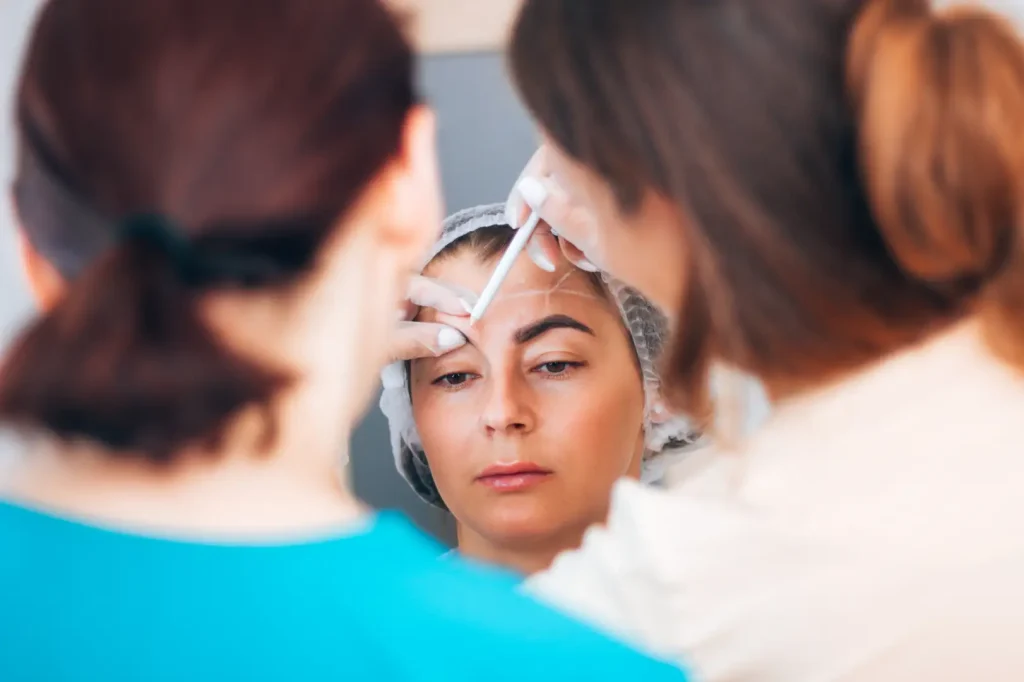
8. Your Existing Background Still Matters
A Level 7 qualification does not erase your previous training history. Healthcare professionals, beauty therapists, and other aesthetic practitioners may enter advanced education from very different starting points. Training providers should have clear entry criteria.
Skin Lab Medical Academy’s progression model, for example, highlights structured pathways from foundational qualifications toward higher-level aesthetic training rather than treating Level 7 as a shortcut from no experience to advanced injectable practice.
That progression matters because advanced injectables rely on foundational knowledge in hygiene, skin science, consultation, anatomy, and patient care. Strong practice is built step by step.
Build for the Standard You Want to Represent
Becoming a confident Botox injector is not about collecting the shortest certificate available. It is about developing the knowledge, clinical judgment, practical skill, and professional accountability patients deserve.
At present, Level 7 is not a universal statutory requirement for every Botox and filler practitioner across the UK. However, level 7 injectables training has become an important benchmark in the conversation around safer practice and future regulation. The developing English licensing framework makes advanced education even more relevant, while reminding practitioners that final legal requirements are still being shaped.
At Skin Lab Medical Academy in Hornchurch, Essex, practitioners can explore structured training pathways designed to build from foundational aesthetics education toward advanced injectable qualifications.
For those planning a serious career in aesthetics, investing in deeper education now can provide something more valuable than simply meeting today’s minimum: a stronger foundation for whatever comes next.
Connect with us today to learn more!